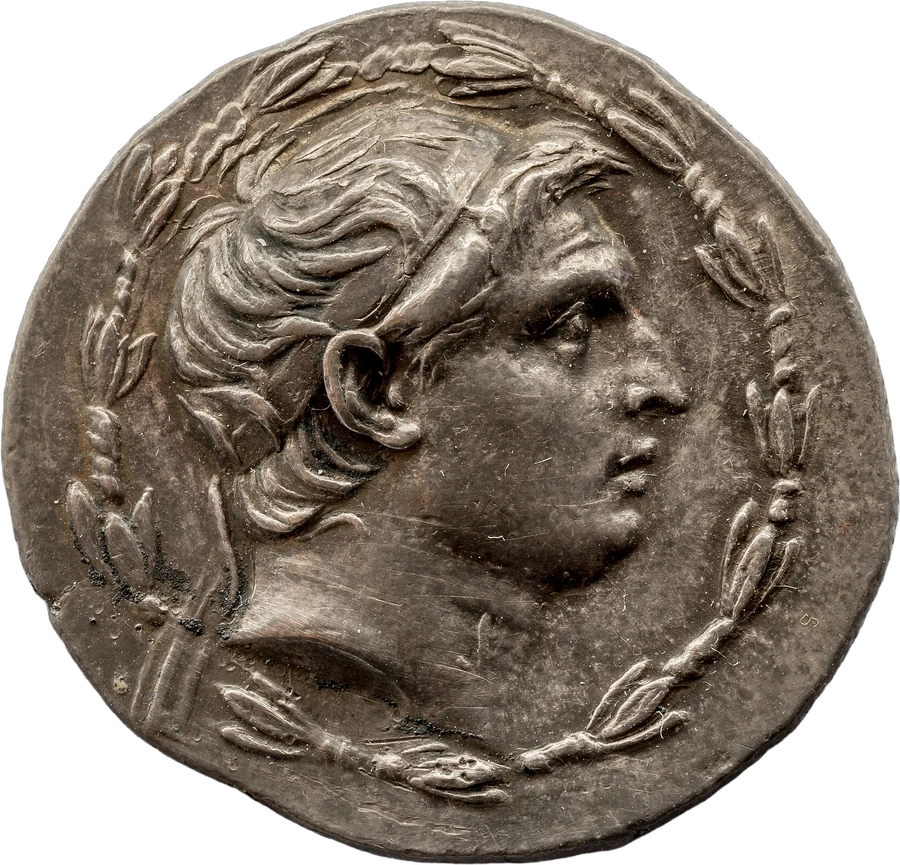
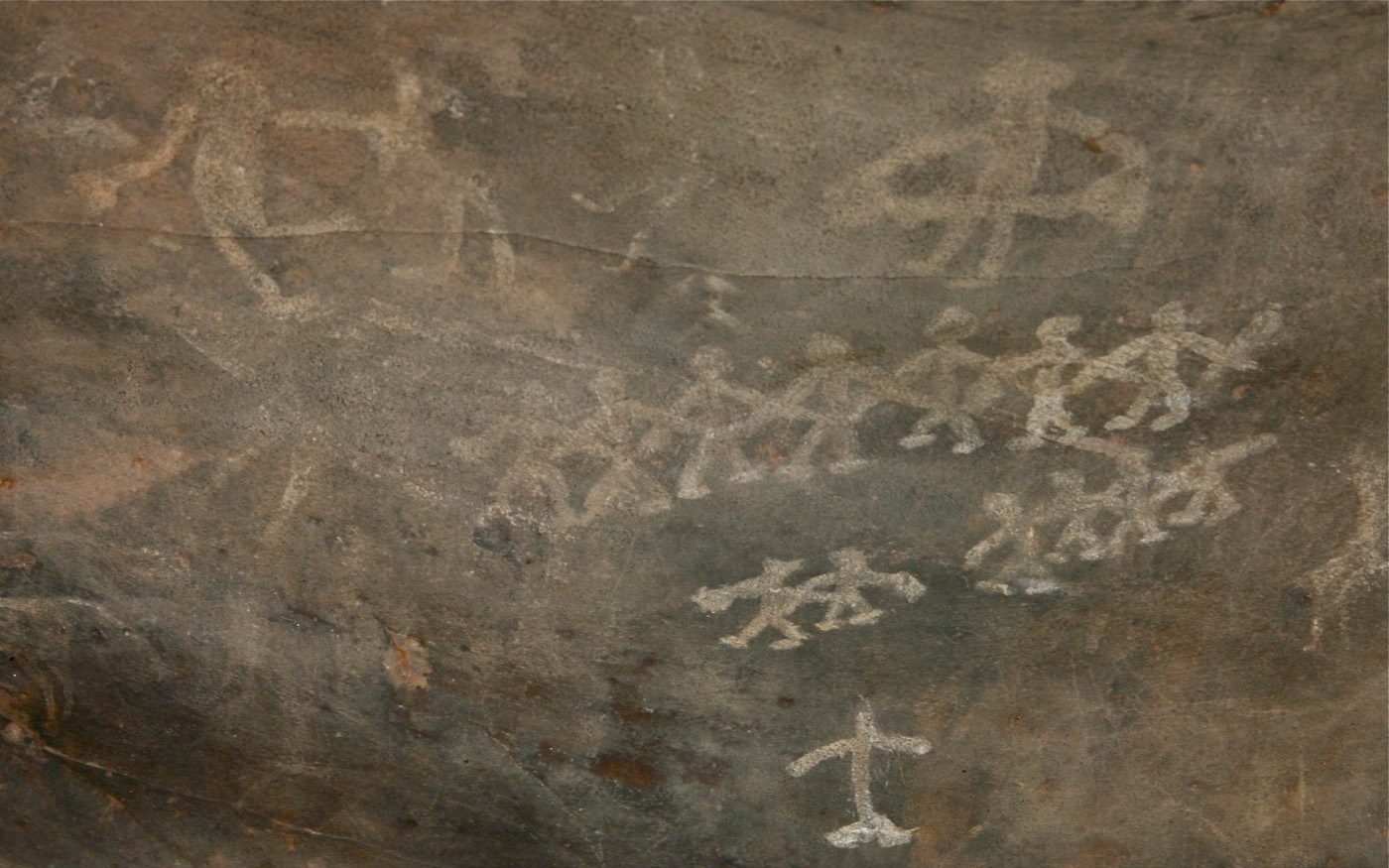
The moment · the voice · the person L’instant · la voix · la personne Nagarjun Kandukuru · CC BY 2.0
01
Group Groupe
Before the state · prehistory Avant l’État · préhistoire
Before there were forms, there was the group. Avant les formes, il y avait le groupe.
Authority was probably personal and temporary. Someone led the hunt, someone settled a quarrel, someone spoke for the dead. It was attached to a person and to a moment, so there was nothing yet to classify. L’autorité était sans doute personnelle et temporaire. Quelqu’un menait la chasse, quelqu’un tranchait une querelle, quelqu’un parlait pour les morts. Elle tenait à une personne et à un moment : il n’y avait encore rien à classer.
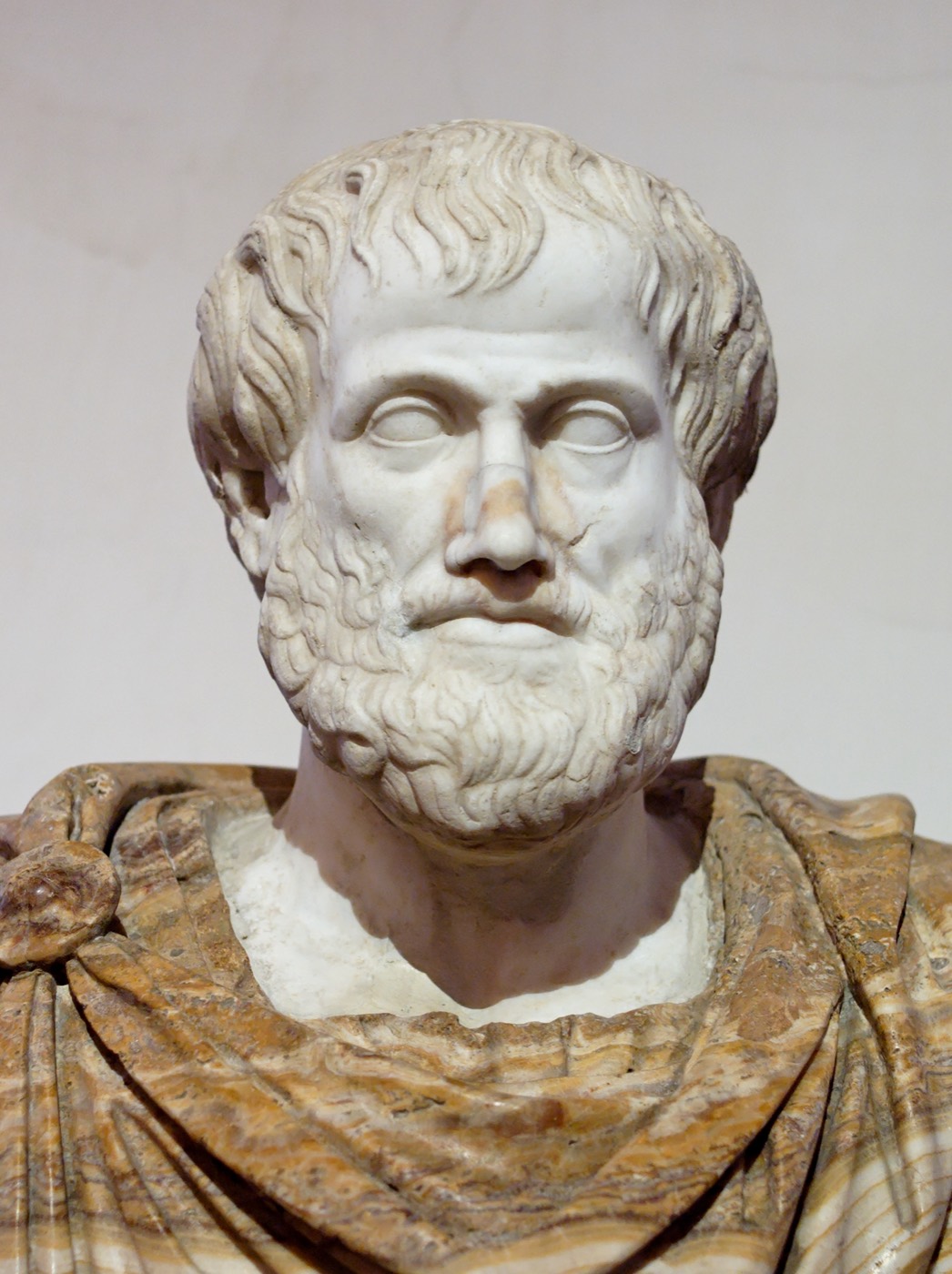
Athens · 4th century BCE Athènes · IVe siècle av. J.-C. After Lysippos · Public domain D’après Lysippe · Domaine public
02
Number Nombre
Aristotle · c. 350 BCE Aristote · v. 350 av. J.-C.
The first sorting counted the rulers. Le premier classement a compté les gouvernants.
Aristotle asked two questions at once. How many rule: one, few or many? And do they rule for everyone, or for themselves? Each answer to the first has a good form and a bad one. Aristote pose deux questions à la fois. Combien gouvernent : un, quelques-uns, ou le grand nombre ? Et gouvernent-ils pour tous, ou pour eux-mêmes ? Chaque réponse à la première a une bonne forme et une mauvaise.
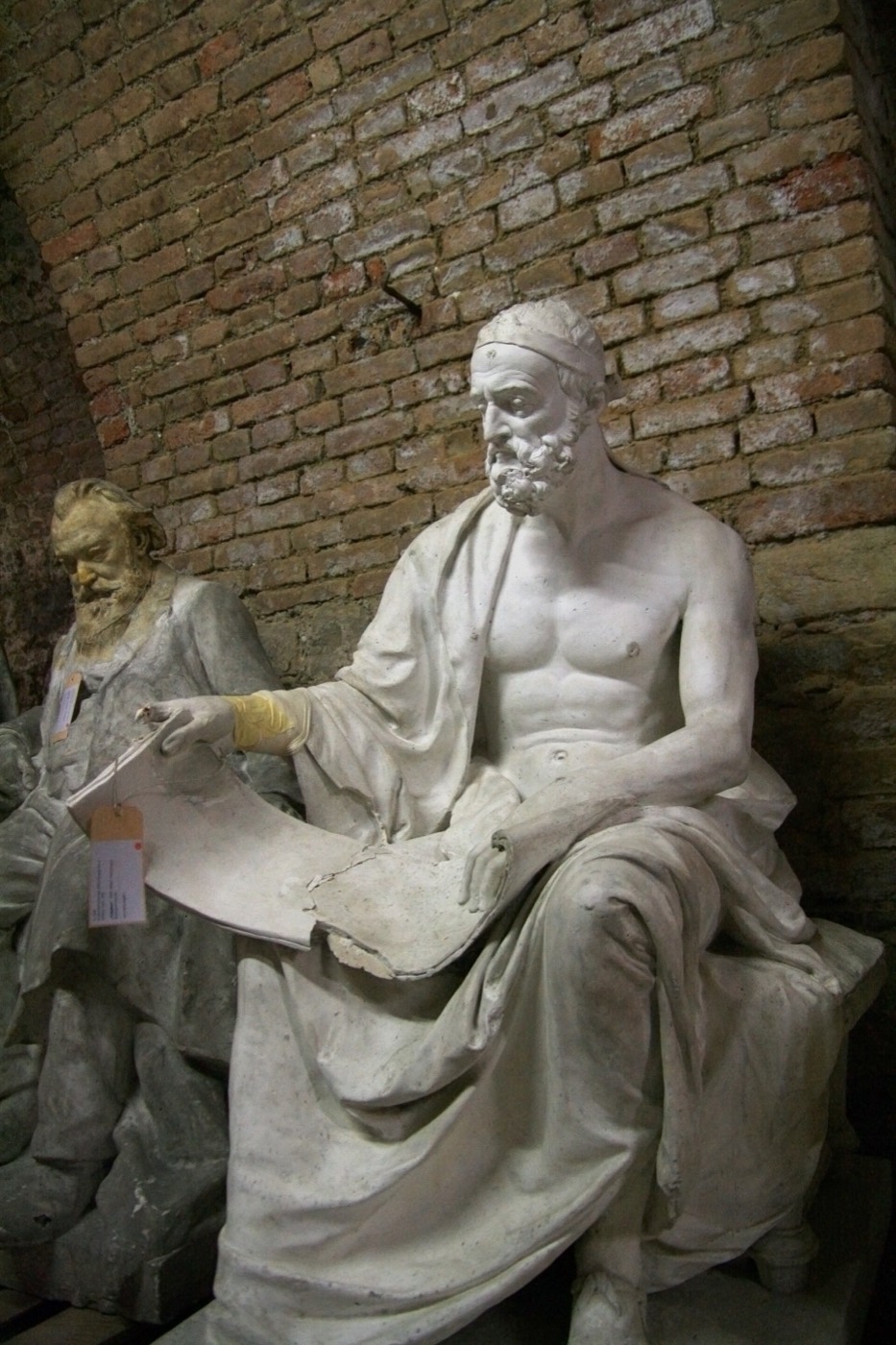
Rome seen by a Greek hostage Rome vue par un otage grec Manfred Werner · CC BY-SA 3.0
03
Cycle Cycle
Polybius · 2nd century BCE Polybe · IIe siècle av. J.-C.
Then someone noticed that the forms turn. Puis quelqu’un a vu que les formes tournent.
Polybius described a wheel rather than a list. Each good form turns bad, the bad form is overthrown, and the next form takes its place, until the wheel comes round again. His answer was Rome: consuls, senate and assemblies checking one another, so that no single form can turn fully bad. Polybe décrit une roue plutôt qu’une liste. Chaque bonne forme tourne mal, la mauvaise est renversée, la forme suivante prend sa place, jusqu’à ce que la roue revienne. Sa réponse est Rome : consuls, sénat et assemblées se contrôlant l’un l’autre, pour qu’aucune forme seule ne tourne tout à fait mal.
Read the Histories at Perseus Lire les Histoires sur Perseus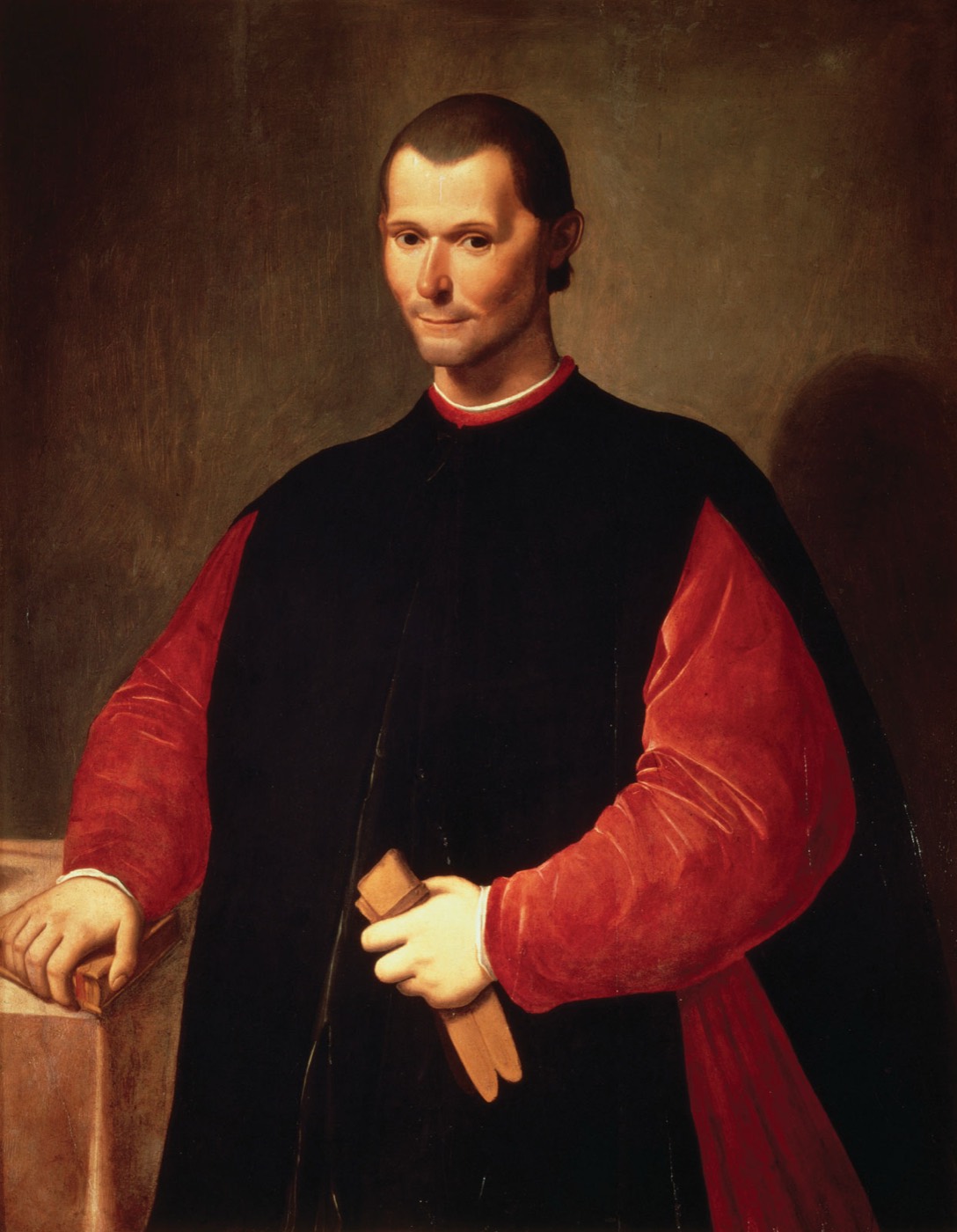
Florence · 1513 Florence · 1513 Santi di Tito · Public domain Santi di Tito · Domaine public
04
Hold Prise
Machiavelli · 1513 Machiavel · 1513
The sorting dropped the question of virtue. Le classement a laissé tomber la question de la vertu.
Machiavelli opens with two kinds of state only, republics and principalities, and sorts them by how power is acquired and kept. He describes what rulers do rather than what they ought to do. That move helped separate the study of government from the judgement of it, and may be why the book still shocks. Machiavel n’ouvre qu’avec deux sortes d’États, républiques et principautés, et les classe selon la manière dont le pouvoir s’acquiert et se garde. Il décrit ce que font les gouvernants plutôt que ce qu’ils devraient faire. Ce geste a aidé à séparer l’étude du gouvernement de son jugement, et c’est peut-être pourquoi le livre choque encore.
Read The Prince at Project Gutenberg Lire Le Prince sur Project Gutenberg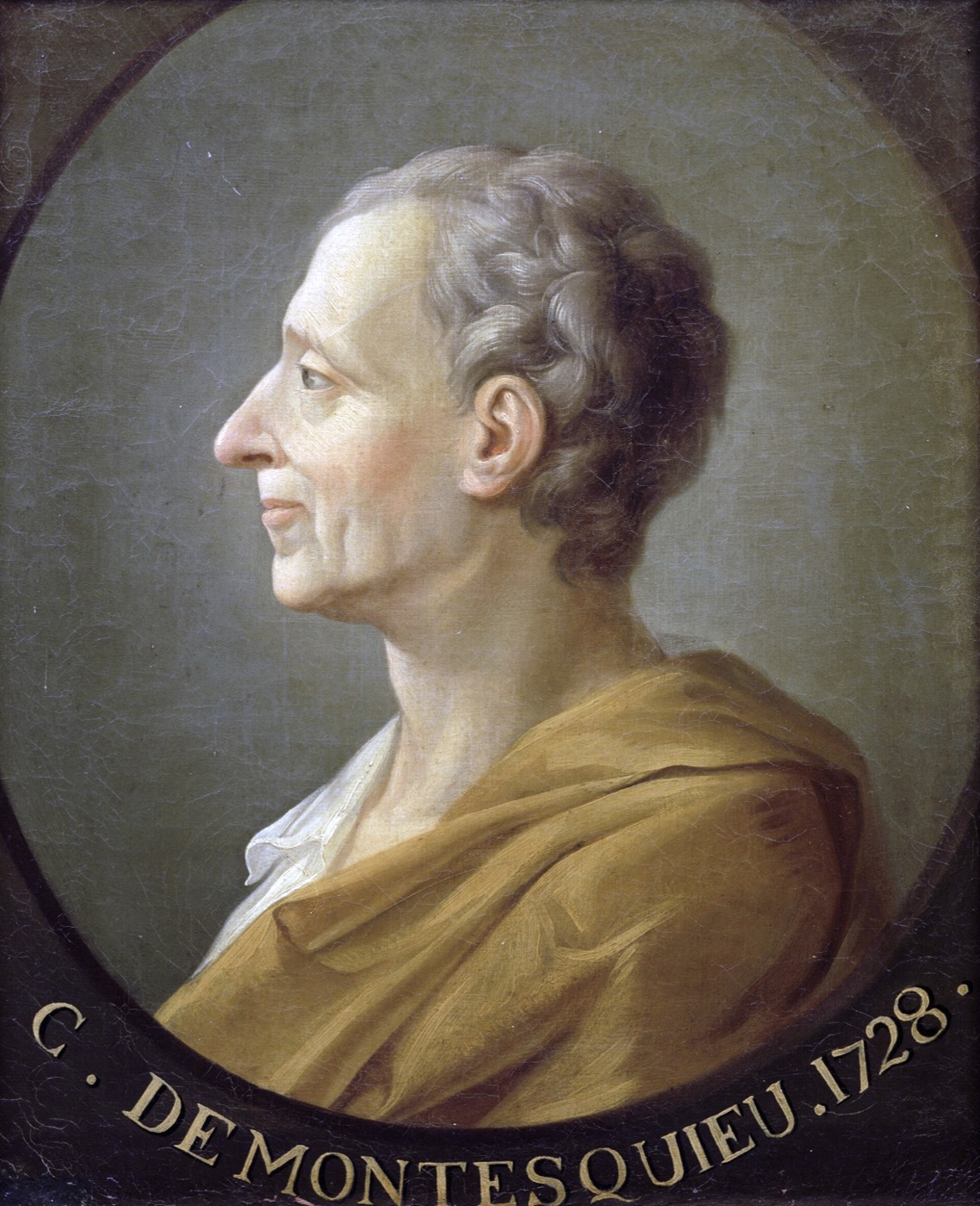
The Spirit of the Laws · 1748 De l’esprit des lois · 1748 After Jacques-Antoine Dassier · Public domain D’après Jacques-Antoine Dassier · Domaine public
05
Principle Principe
Montesquieu · 1748 Montesquieu · 1748
Each form needs something to keep it standing. Chaque forme a besoin de quelque chose pour tenir debout.
Montesquieu sorts three forms, and adds to each the passion it runs on. A form does not fall only when it is attacked. It falls when its principle is gone, when a republic stops caring for the common thing, when honour is only show, when fear is all that remains. Montesquieu classe trois formes, et ajoute à chacune la passion qui la fait vivre. Une forme ne tombe pas seulement quand on l’attaque. Elle tombe quand son principe s’en va : quand une république cesse de tenir à la chose commune, quand l’honneur n’est plus qu’une apparence, quand il ne reste que la crainte.
The same book argues that climate shapes customs and forms of government. That part did not hold, and it is worth saying so on the page: a great classifier can be right about how things work and wrong about why. Le même livre soutient que le climat façonne les mœurs et les formes de gouvernement. Cette partie n’a pas tenu, et il faut le dire ici : un grand classificateur peut avoir raison sur le fonctionnement et tort sur la cause.
Read De l’esprit des lois at Project Gutenberg Lire De l’esprit des lois sur Project Gutenberg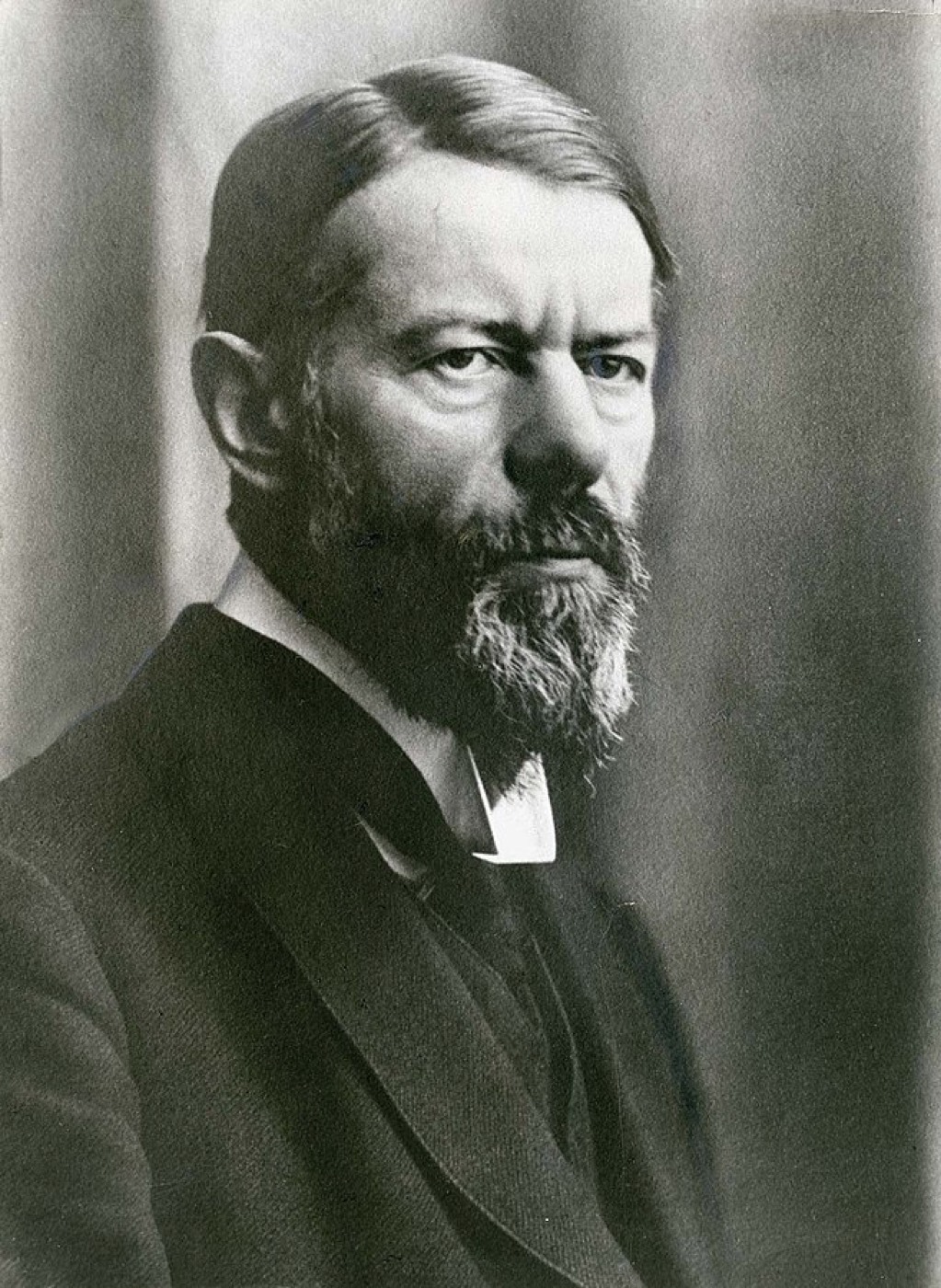
Germany · around 1918 Allemagne · vers 1918 Ernst Gottmann · Public domain Ernst Gottmann · Domaine public
06
Obedience Obéissance
Weber · early 20th century Weber · début du XXe siècle
The question moved from who rules to why we obey. La question s’est déplacée : non plus qui gouverne, mais pourquoi nous obéissons.
Weber sorts by the reason for obedience. We obey because it has always been so, or because of the person in front of us, or because a rule says the office may decide. The third answer builds the modern administration: what is owed is owed to a post, not to a man, and it ends when he leaves it. Weber classe selon la raison de l’obéissance. Nous obéissons parce qu’il en a toujours été ainsi, ou à cause de la personne devant nous, ou parce qu’une règle dit que la fonction peut décider. La troisième réponse bâtit l’administration moderne : ce qui est dû l’est à un poste et non à un homme, et cela cesse quand il le quitte.
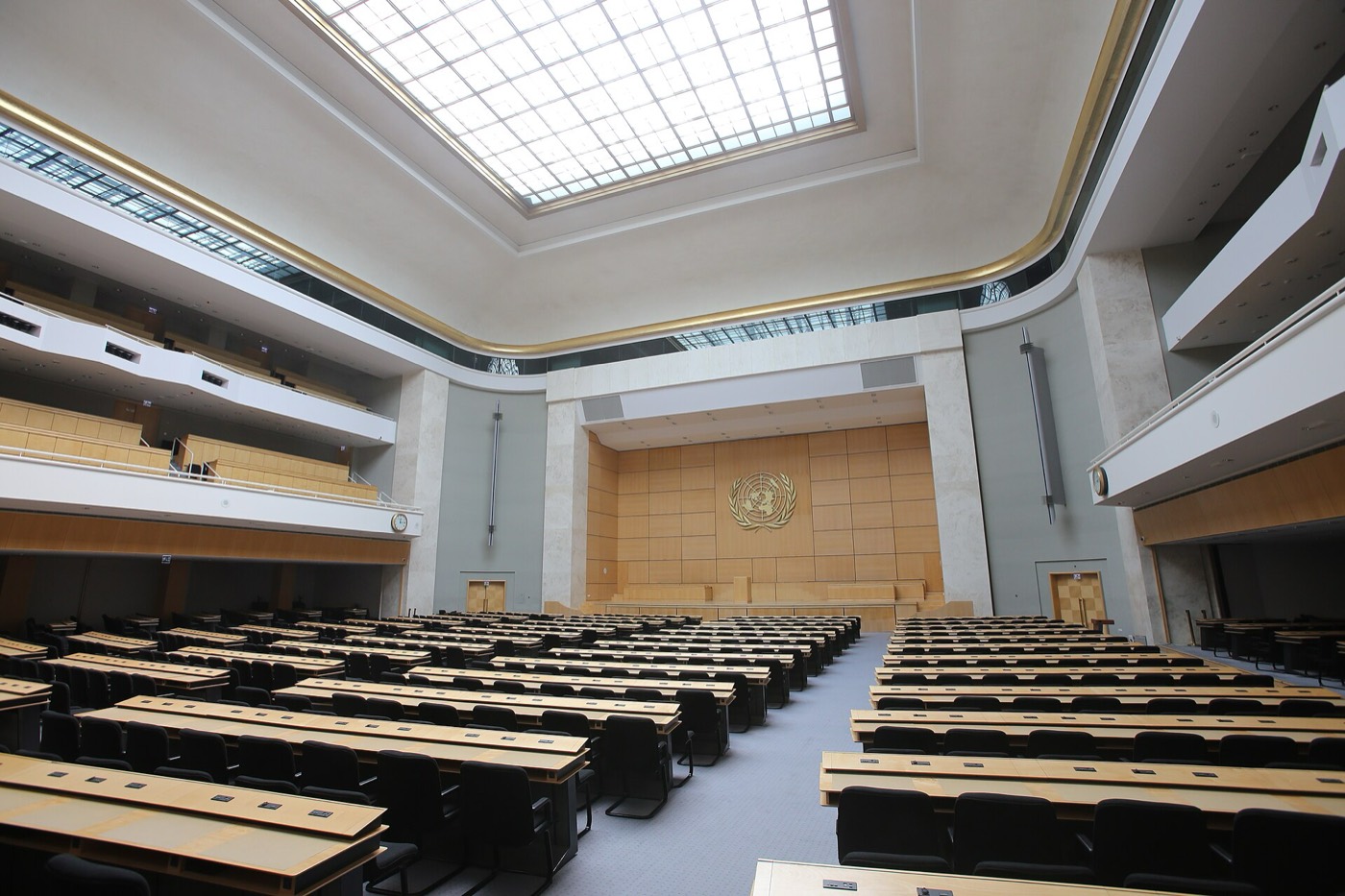
Geneva · today Genève · aujourd’hui Ludovic Courtès · CC BY-SA 3.0
07
Layers Couches
Now Aujourd’hui
Power seems spread across several places. Le pouvoir semble réparti en plusieurs lieux.
The nation state, one state and one people over one territory, is a recent arrangement rather than a law of nature. Empires ran states over many peoples for centuries. Today authority is spread again, and each layer decides something real about a life. L’État-nation, un État et un peuple sur un territoire, est un arrangement récent et non une loi de la nature. Des empires ont tenu des États sur bien des peuples pendant des siècles. Aujourd’hui l’autorité se répartit de nouveau, et chaque couche décide de quelque chose de réel dans une vie.
- the state
- the city
- the zone with its own rules
- the international body
- the platform
- the system that decides without being asked